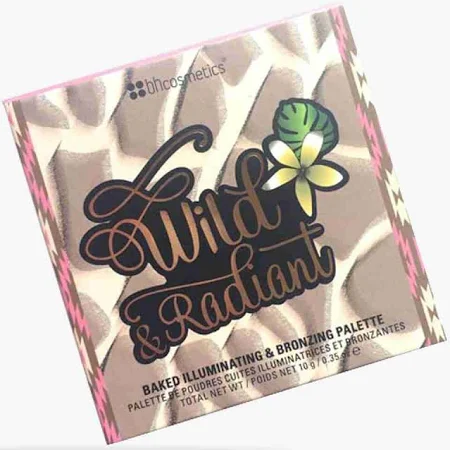
Packaging has evolved far beyond its traditional role of simply containing a product. In today’s competitive marketplace, packaging plays a strategic role in branding, customer experience, product protection, sustainability, and sales. Businesses across industries increasingly recognize that packaging influences how customers perceive value. When done well, packaging can elevate a brand, differentiate products on the shelf, support marketing campaigns, and build customer loyalty.
This blog explores the importance of packaging in detail and explains why every business should treat packaging as a powerful marketing and operational asset.
1. Packaging as a Critical Marketing Tool
1.1 Creates a Strong First Impression
Packaging serves as the first point of contact between a customer and a product. Long before a shopper reads a product description or interacts with a brand online, the visual appeal of the packaging often guides their interest. Attractive colors, strong typography, balanced layout, and high-quality materials quickly communicate value.
When packaging catches the eye, shoppers instinctively believe the product offers higher quality. In crowded retail aisles or online marketplaces, initial impressions can determine whether a customer engages with the product or scrolls past it.
1.2 Reinforces Brand Identity
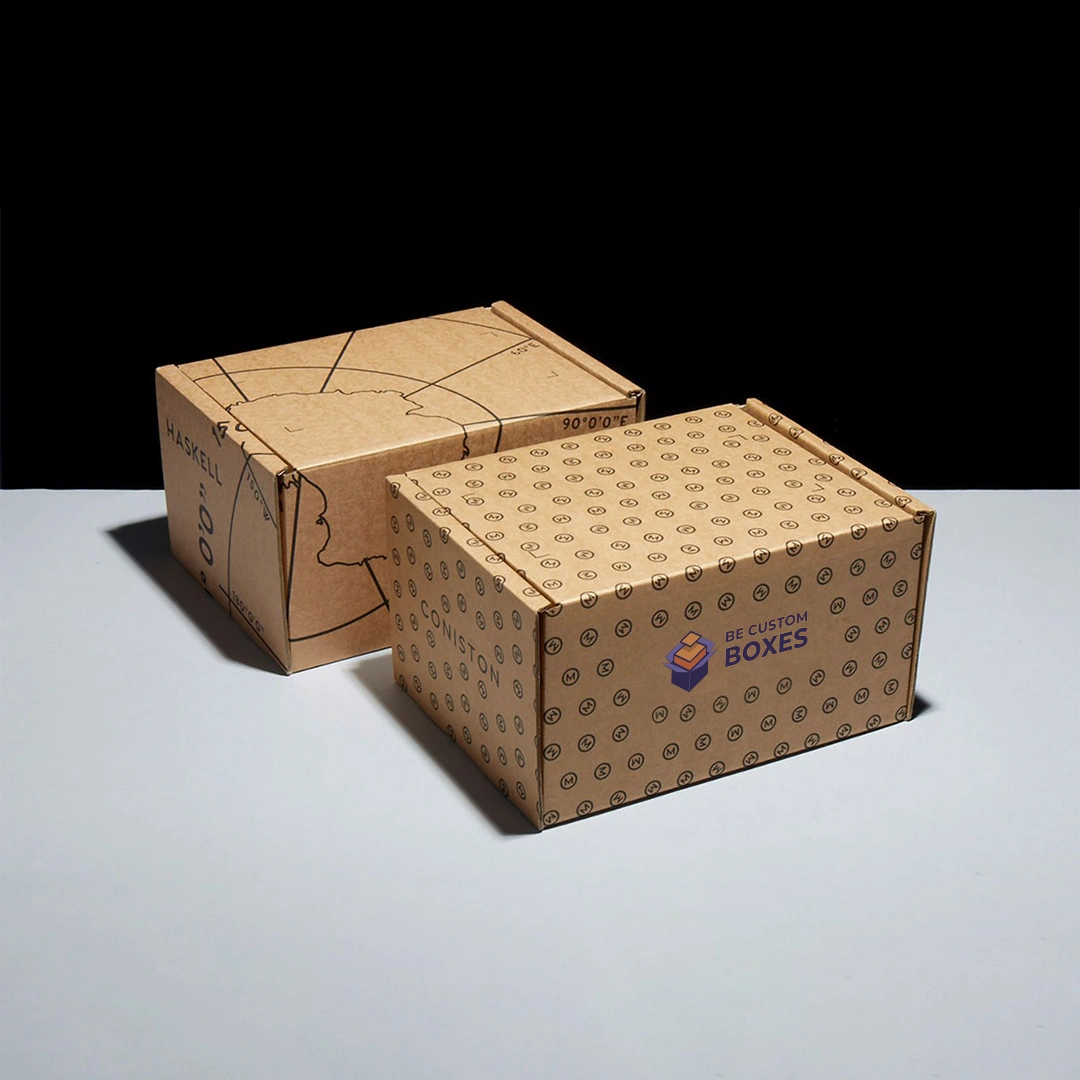
Packaging communicates the brand’s identity, tone, and personality. Whether the brand aims to appear luxurious, eco-friendly, playful, or professional, the packaging design supports those attributes.
Elements that shape brand identity on packaging include:
- Logo placement
- Color palette
- Brand fonts
- Materials used
- Unique structural design
Consistent, recognizable packaging improves brand recall and strengthens consumer trust. When customers notice familiar packaging on a shelf, they are more likely to choose the same brand again.
1.3 Influences Consumer Buying Decisions
Studies show that buyers often make decisions based on visual cues rather than rational evaluation. Packaging triggers emotional responses, and businesses can use these triggers to boost sales.
For example:
- Minimalist packaging suggests elegance and quality
- Bold and colorful packaging signals energy and fun
- Eco-friendly materials appeal to conscious consumers
- Transparent packaging builds trust by showing the product
Effective packaging acts as a silent salesperson that persuades customers to choose one product over another.
2. Packaging Enhances Customer Experience
2.1 Improves Convenience
Customers appreciate packaging that enhances ease of use. Features like resealable lids, ergonomic shapes, and portion-control designs help users interact with products more conveniently. When packaging supports daily habits, customers perceive the product as more user-friendly.
2.2 Builds Anticipation Through the Unboxing Experience
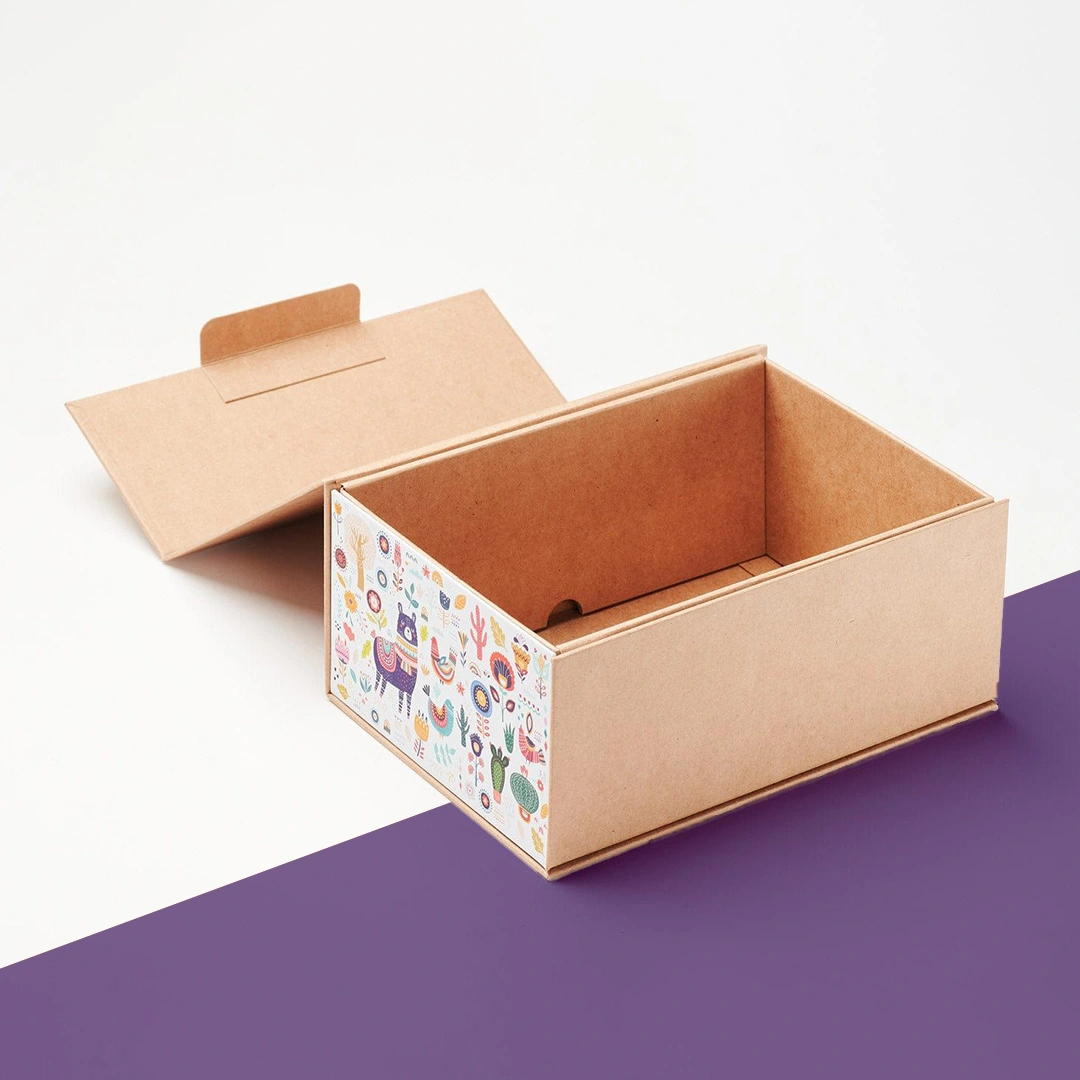
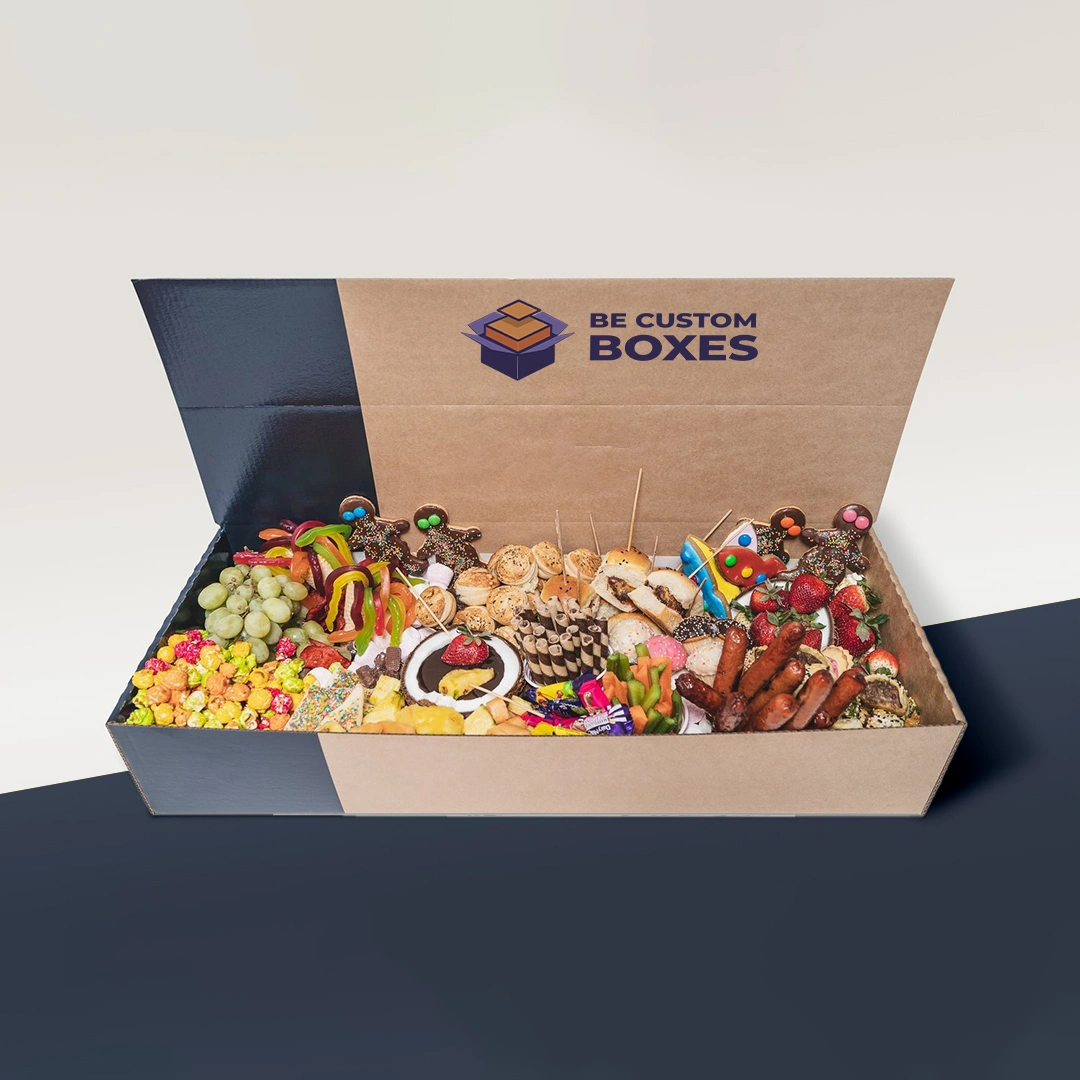
Unboxing has become a major trend in online shopping. Customers enjoy the excitement of opening a thoughtfully packaged product. Brands that invest in unboxing elements—such as tissue wrapping, custom inserts, or thank-you cards—create memorable experiences that encourage repeat purchases.
A great unboxing moment also encourages customers to share photos or videos on social media. This user-generated content acts as free advertising and increases brand exposure.
2.3 Reduces Frustration With Clear Instructions
Clear, concise, and attractive labeling helps customers understand product use, ingredients, and benefits. When packaging communicates essential information effectively, customers feel more confident about the product. Labels with good typography and intuitive layout reduce confusion and enhance user satisfaction.
3. Packaging Protects Products and Ensures Safety
3.1 Protects Products During Transportation
Packaging protects products from physical damage, moisture, contamination, and temperature changes during shipping, storage, and handling. Strong packaging materials keep products intact from the warehouse to the customer’s doorstep.
Businesses reduce returns and avoid customer dissatisfaction when packaging provides reliable product protection.
3.2 Maintains Product Freshness and Quality
In industries like food, cosmetics, and pharmaceuticals, packaging plays a crucial role in preserving freshness and extending shelf life. Airtight seals, tamper-proof lids, and insulated materials prevent exposure to air, bacteria, and other contaminants.
Customers trust brands that prioritize safety and quality through well-designed packaging.
3.3 Provides Legal and Safety Information
Regulated industries require packaging to include safety warnings, ingredient lists, expiration dates, and usage instructions. These mandatory details help protect consumers and ensure compliance with industry standards.
Clear safety labeling builds credibility and positions the brand as responsible and trustworthy.
4. Packaging as a Differentiation Strategy
4.1 Stands Out in a Competitive Market
With countless competing products, differentiation is vital. Packaging design helps brands stand out by showcasing unique qualities. Innovative shapes, bold colors, and creative layouts make products more noticeable.
Customers often choose the product that visually appeals to them the most. Creative packaging can turn an ordinary product into a top seller.
4.2 Supports Promotions and Seasonal Campaigns
Brands often use packaging to promote limited-edition products, seasonal offers, collaborations, or loyalty campaigns. Special packaging strengthens marketing initiatives and creates urgency among buyers.
Consumers tend to buy limited-edition items faster, which increases sales and boosts product awareness.
5. Packaging Supports Sustainability Goals
5.1 Meets Consumer Demand for Eco-Friendly Solutions
Consumers are more environmentally conscious than ever. Many prefer brands that use sustainable packaging. Companies now design packaging with:
- Recycled materials
- Biodegradable options
- Minimal waste designs
- Refillable systems
- Plant-based plastics
Eco-friendly packaging reduces environmental impact and appeals to shoppers who prioritize sustainability.
5.2 Reduces Waste and Carbon Footprint
Efficient packaging reduces the amount of material used without compromising product safety. Smaller, lighter packaging cuts shipping costs and lowers carbon emissions.
Brands that invest in sustainable packaging demonstrate responsibility and forward thinking, which enhances their reputation.
5.3 Encourages Reuse and Recycling
Reusable containers, refillable pouches, and recyclable materials extend packaging lifecycles. When customers can reuse packaging, the brand becomes part of their daily routines, strengthening loyalty.
6. Packaging Improves Business Efficiency
6.1 Streamlines Storage and Shipping
Smart packaging design helps businesses optimize warehouse space and reduce shipping expenses. Stackable, lightweight, and compact packaging improves operational efficiency and reduces transportation costs.
6.2 Reduces Damage-Related Costs
Damaged products result in returns, refunds, and shipping losses. Durable packaging minimizes breakage and helps businesses save money. Strong materials and secure designs act as long-term cost savers.
6.3 Enhances Supply Chain Management
Modern packaging includes barcodes, QR codes, and tracking labels that help companies manage inventory more accurately. This technology supports better forecasting, reduces errors, and improves overall supply chain performance.
7. Packaging Boosts Brand Loyalty
7.1 Creates Emotional Connections
Packaging can create strong emotional bonds with customers. When a brand invests in thoughtful, aesthetic packaging, customers feel valued. This emotional connection increases loyalty and encourages repeat purchases.
7.2 Reinforces Product Quality
High-quality packaging signals a high-quality product. Customers often associate sturdy, attractive packaging with superior performance and reliability. This perception increases trust and encourages long-term loyalty.
7.3 Encourages Word-of-Mouth Marketing
Attractive packaging often leads to conversations, social media posts, and recommendations. When customers enjoy the packaging as much as the product, they naturally share their experience with others.
8. The Future of Packaging
Packaging trends continue to evolve as consumer preferences shift and technology advances. The future of packaging will focus on:
- Smart packaging with RFID tags and freshness indicators
- Fully biodegradable and compostable materials
- AI-driven customization for personalized unboxing
- Minimalist designs that reduce waste and highlight brand authenticity
Businesses that stay ahead of these trends will maintain a strong competitive edge.
Conclusion
Packaging Company is far more than a container; it is a strategic asset that influences every stage of the customer journey. It attracts attention, communicates brand values, enhances safety, boosts user satisfaction, and drives sales. As competition increases, businesses must prioritize packaging to stand out, create memorable experiences, and build long-lasting customer relationships.