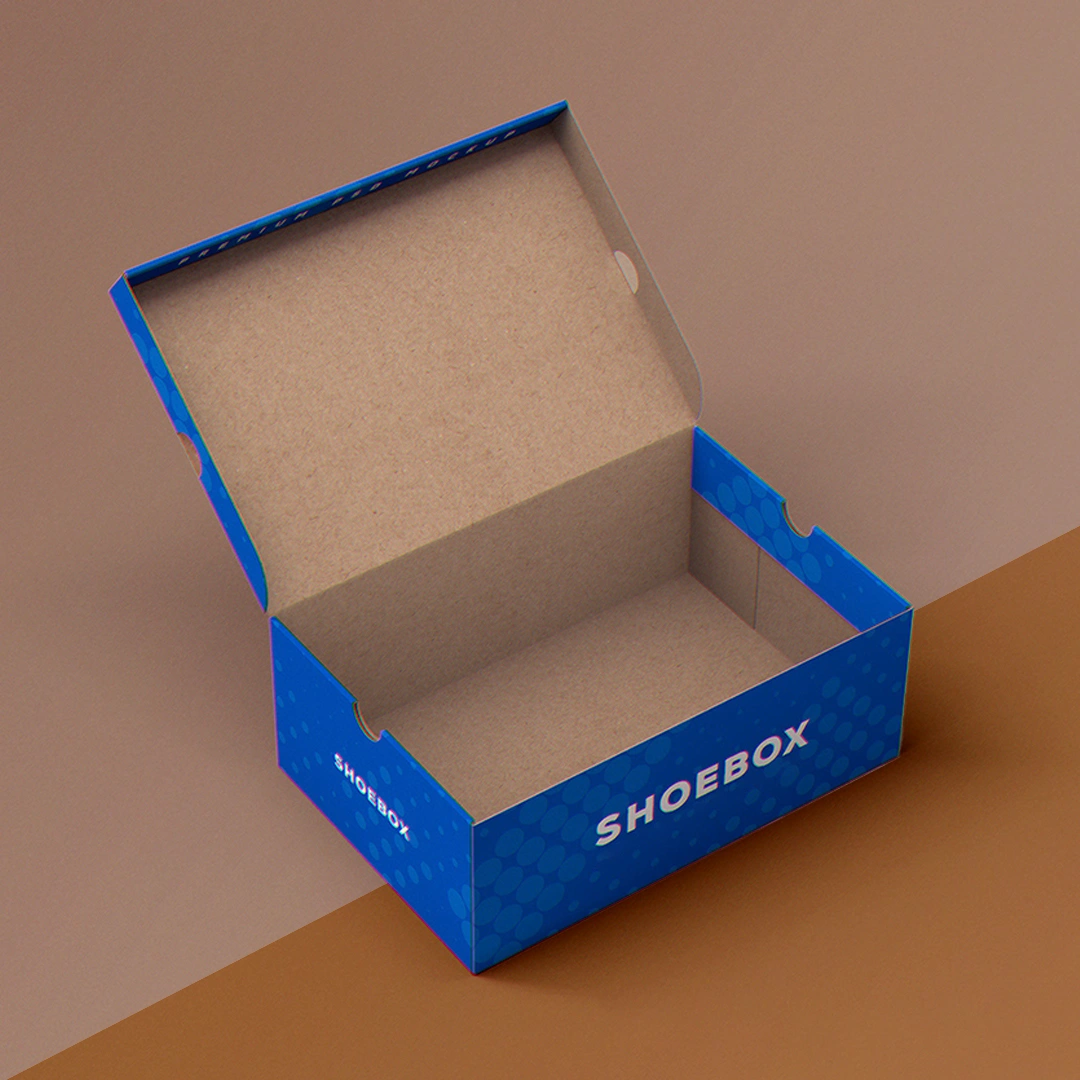
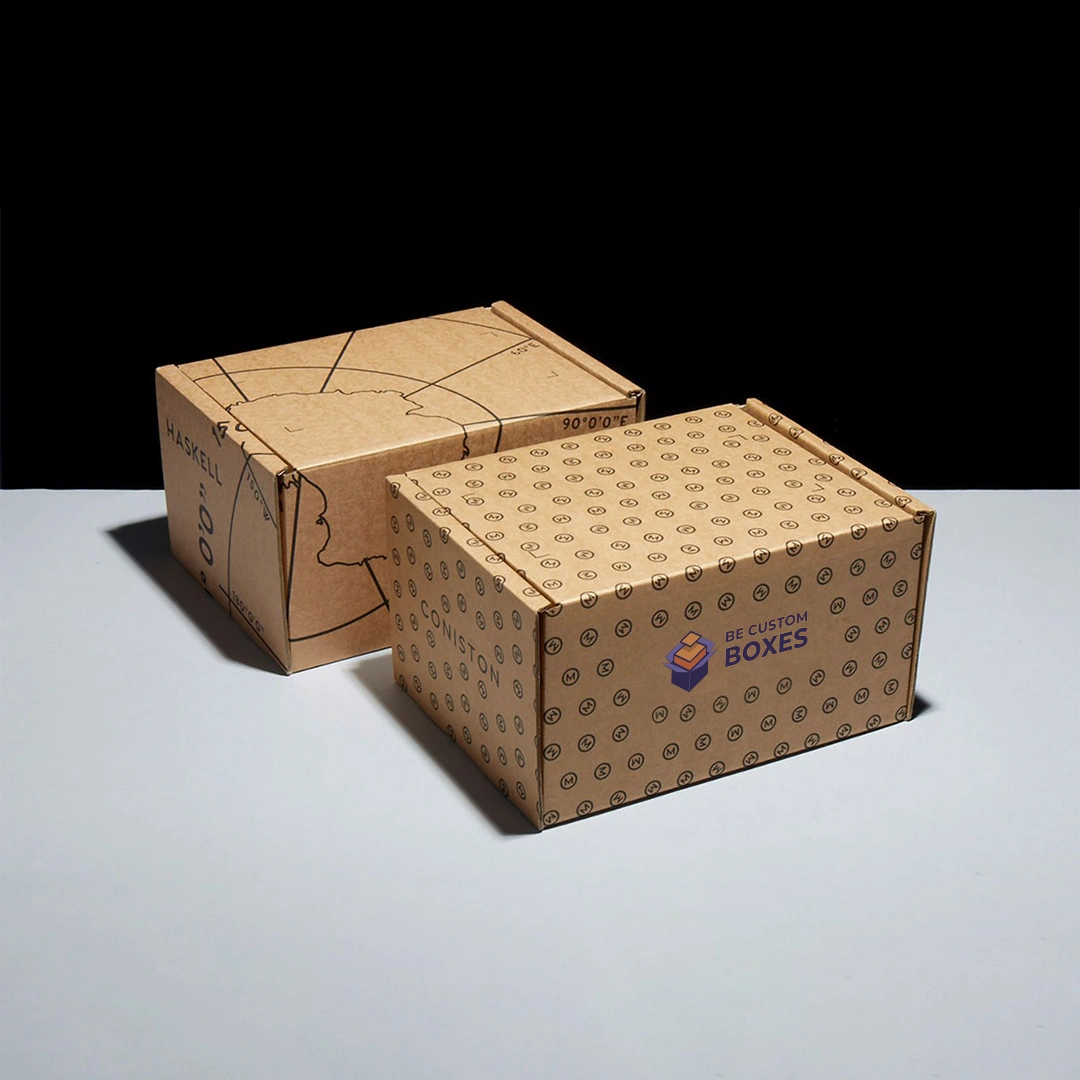
In today’s competitive market, brands must capture attention quickly and communicate value at first glance. One of the most effective ways to stand out on shelves, enhance customer experience, and build a memorable brand identity is through custom boxes. These packaging solutions go beyond basic protection. They tell a story, reinforce branding, and influence purchasing decisions.
Custom boxes have evolved from simple containers into powerful marketing tools. Businesses of all sizes—startups, e-commerce stores, and large retailers—now rely on customized packaging to enhance product value and strengthen customer loyalty. In this guide, we explore what custom boxes are, their benefits, types, and how you can choose the right packaging for your brand.
What Are Custom Boxes?
Custom boxes are packaging solutions tailored to a brand’s specific needs. They can be customized by size, shape, color, material, finishing, and printed design. Instead of using standard packaging, businesses choose custom boxes to showcase their brand personality and deliver a unique unboxing experience.
Whether you sell cosmetics, electronics, clothing, food items, or subscription boxes, custom packaging helps your products stand out while protecting them during transit. Custom boxes have become essential for brand storytelling and can influence how customers perceive the quality of your products.
Why Custom Boxes Matter for Modern Brands
Custom boxes play a major role in shaping customer expectations and supporting overall business growth. As competition increases, brands must work harder to capture customer attention. Here are the main reasons custom boxes matter:
1. They Strengthen Brand Identity
Custom boxes serve as a visual introduction to your brand. With personalized colors, logos, patterns, and typography, packaging becomes a reflection of your company’s personality. Consistent branding across your packaging builds recognition and trust. Customers remember brands with visually appealing and thoughtful packaging, which keeps them coming back.
2. They Enhance Customer Experience
Customers want more than just a product. They want an experience. Custom packaging creates excitement during unboxing, especially for e-commerce orders. A beautifully designed custom box instantly increases perceived value and makes customers feel appreciated. Many people share their unboxing moments on social media, giving your brand free marketing exposure.
3. They Provide Better Product Protection
Custom boxes offer improved protection because they are tailored to the exact size and structure of your product. This reduces movement during shipping, preventing damage. High-quality packaging also ensures your items reach customers in perfect condition, which minimizes returns and builds customer satisfaction.
4. They Help You Stand Out from Competitors
Standard packaging makes it hard to differentiate your product from others. Custom boxes allow you to highlight unique features of your brand. Whether you use bold colors, premium materials, or minimalistic designs, your packaging becomes a strategic advantage that sets your products apart.
5. They Support Sustainability Initiatives
Eco-friendly custom boxes are increasingly popular. Customers appreciate brands that use recyclable, biodegradable, or reusable packaging. Choosing sustainable materials not only reduces environmental impact but also boosts your brand’s reputation. Many consumers prefer brands that prioritize sustainability.
Types of Custom Boxes for Every Industry
Custom boxes come in various shapes, sizes, and styles. Choosing the right type depends on your product and brand goals. Below are the most popular types of custom boxes businesses use today.
1. Custom Mailer Boxes
Custom mailer boxes are ideal for e-commerce packaging. Made from sturdy corrugated material, they protect products during transit and offer an impressive unboxing experience. They are commonly used for subscription boxes, apparel, electronics, and small gift items.
2. Custom Product Boxes
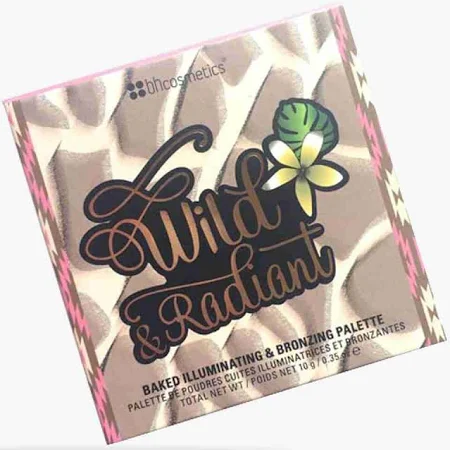
Product boxes are typically made from lightweight cardstock and designed for retail display. They allow you to highlight product details, ingredients, or features while showcasing your brand. These boxes are perfect for cosmetics, perfumes, candles, supplements, and small gadgets.
3. Custom Shipping Boxes
Shipping boxes provide maximum durability for heavy or fragile items. They can be customized with branding elements and reinforced materials. Businesses use them for bulk shipments, home appliances, glassware, and large retail items.
4. Custom Food and Bakery Boxes
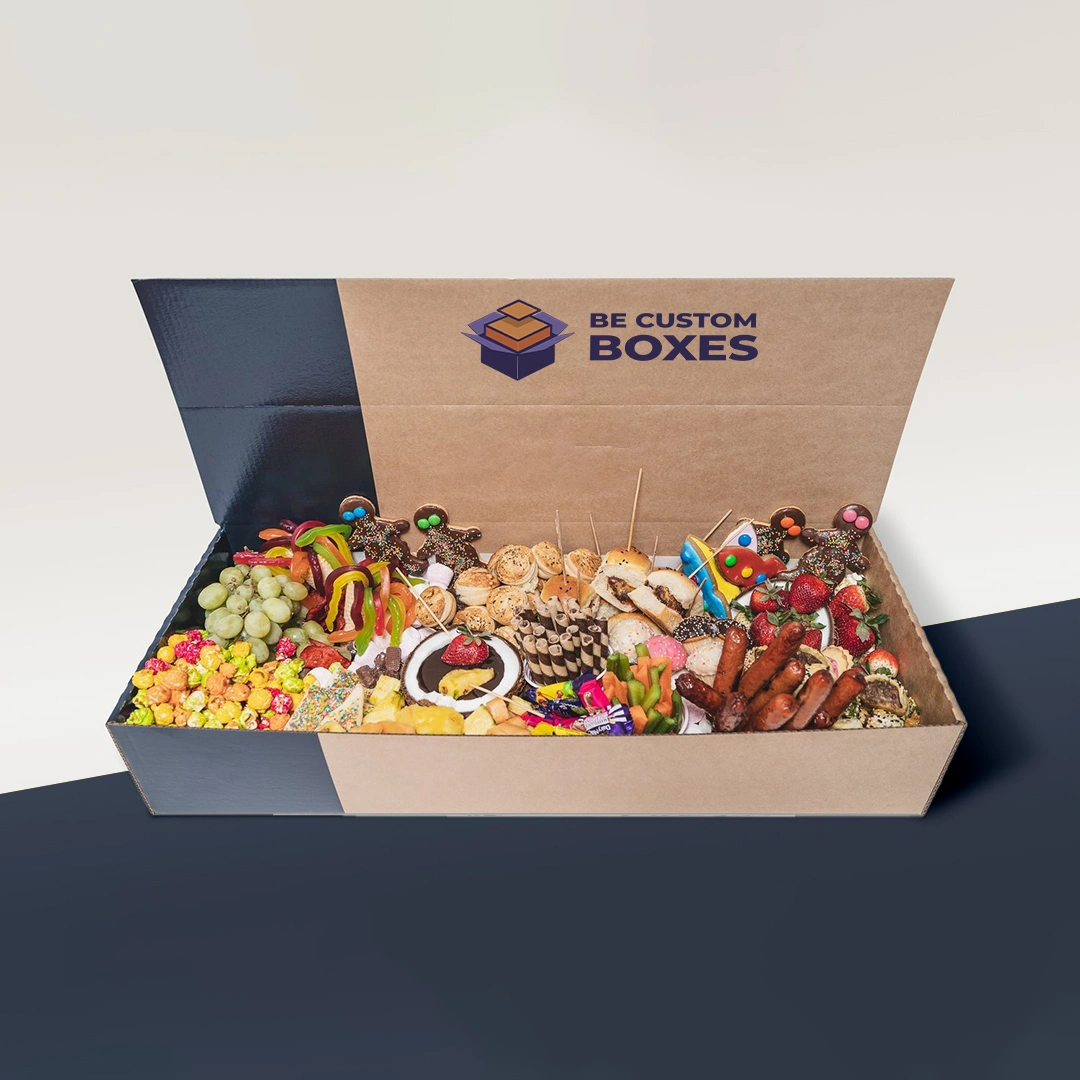
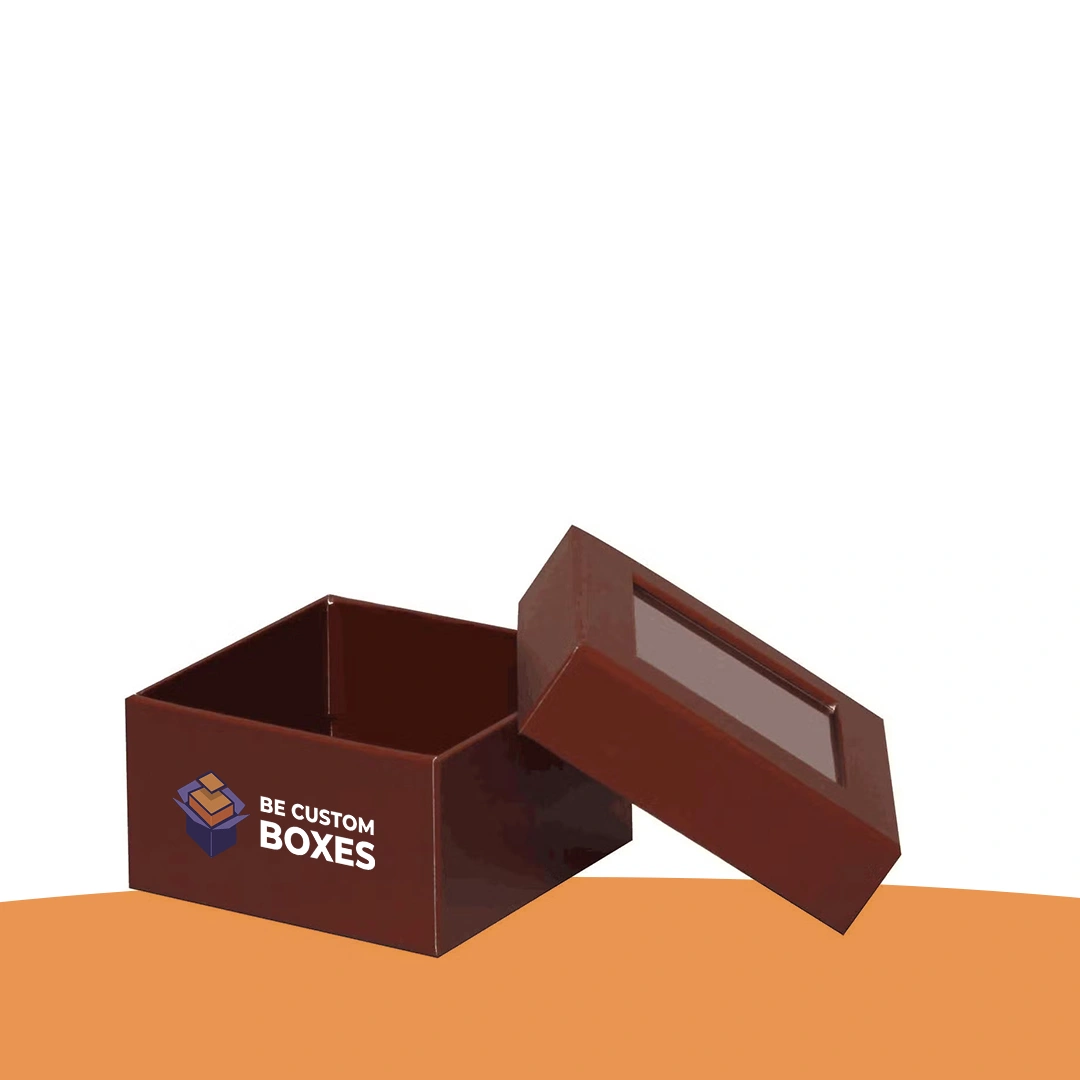
Food and bakery businesses rely on custom boxes to maintain freshness and enhance presentation. These boxes often include features like windows, inserts, or grease-resistant coatings. They are used for cakes, pastries, chocolates, take-out meals, and gourmet products.
5. Custom Gift Boxes
Gift boxes add elegance and sophistication. They are used for luxury items, corporate gifts, jewelry, and special occasions. High-end finishing options such as foil stamping, embossing, magnetic closures, and ribbons make these boxes visually stunning.
6. Custom Display Boxes
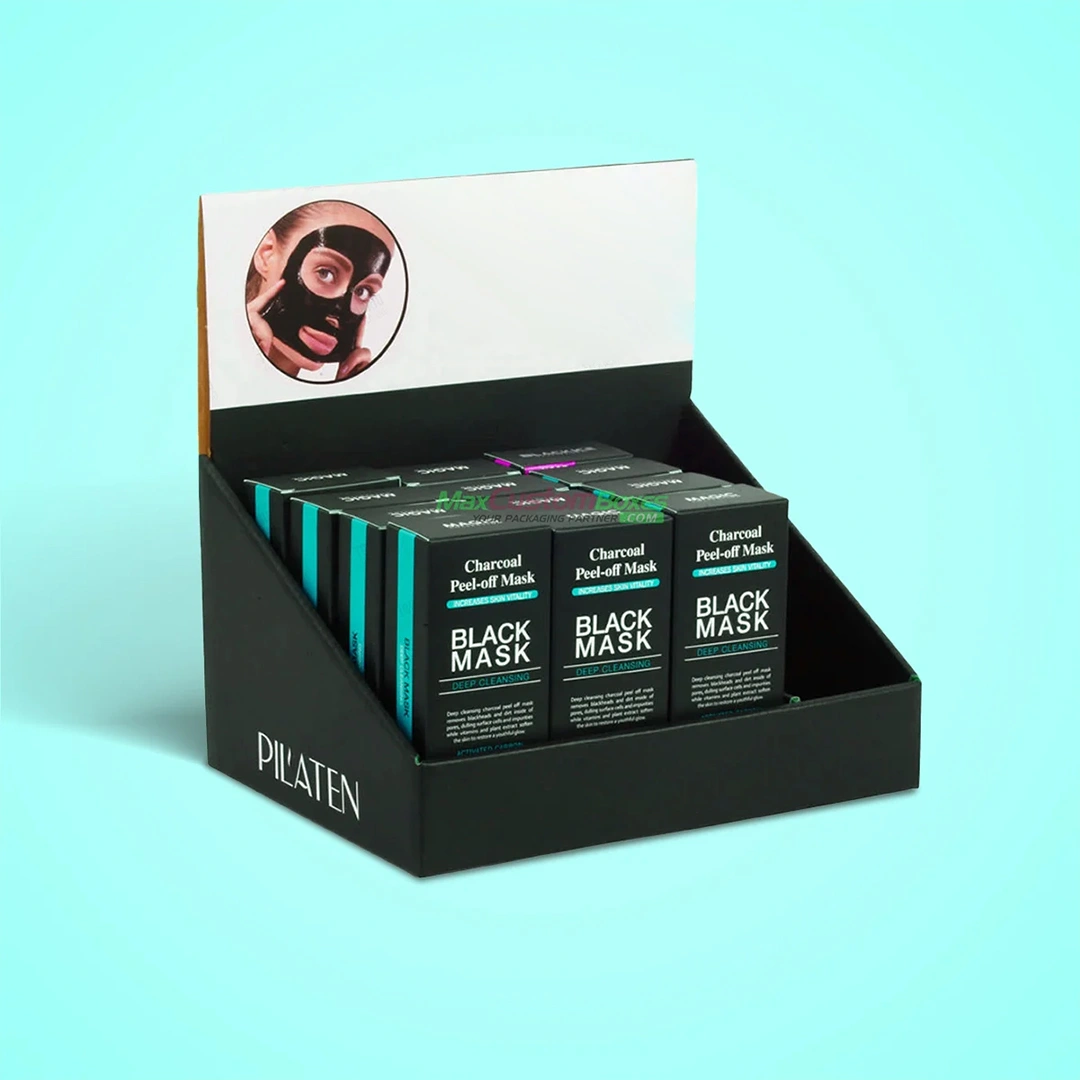
Display boxes help present products in retail environments. They are designed to attract attention and encourage impulse purchases. You often see them at checkout counters in grocery stores, pharmacies, and convenience shops.
Key Features to Consider When Creating Custom Boxes
Designing custom boxes requires careful planning. The right combination of features can elevate your packaging and provide maximum brand impact. Here are the top features to consider:
1. Material Quality
Choose materials based on product weight, fragility, and brand style. Common options include:
- Cardstock – lightweight and ideal for retail displays
- Corrugated cardboard – highly durable for shipping
- Kraft paper – eco-friendly and rustic
- Rigid board – luxurious and premium
Each material offers different levels of protection and aesthetic appeal.
2. Box Size and Structure
Accurate sizing is essential for cost-efficiency and product safety. Custom dimensions minimize waste and improve shipping efficiency. Structural designs like inserts, sleeves, tuck-end styles, and magnetic closures can add functionality and elegance.
3. Design and Branding
Your visual design should align with your brand identity. Include elements like:
- Logo placement
- Brand colors
- Patterns or illustrations
- Product information
- Taglines or messages
A cohesive design makes your custom boxes memorable and professional.
4. Printing Techniques
Choose printing methods that enhance visual quality:
- Offset printing – best for high-detail and large quantities
- Digital printing – great for small runs and quick turnaround
- UV printing – provides vibrant colors and a glossy finish
- Foil stamping – adds metallic shine
- Embossing/Debossing – creates texture and depth
The right printing technique elevates your packaging’s appearance and gives your brand a premium feel.
5. Finishing Options
Finishes protect your box surface and add style. Popular finishes include:
- Matte
- Gloss
- Soft-touch
- Spot UV
- Aqueous coating
The finishing you choose can influence how customers feel when they first touch your packaging.
How Custom Boxes Boost Marketing and Sales
Custom boxes are more than packaging—they are silent brand ambassadors. Here’s how they help drive marketing and sales:
1. They Increase Brand Visibility
Every shipment becomes a marketing opportunity when your packaging displays your logo and brand elements. Eye-catching boxes encourage curiosity and make customers proud to share their experiences online.
2. They Build Customer Loyalty
Thoughtful packaging makes customers feel valued. When they enjoy the unboxing experience, they are more likely to reorder. Custom inserts, thank-you notes, or promotional flyers can increase loyalty even further.
3. They Improve Perceived Value
Customers associate high-quality packaging with high-quality products. Even a simple product can appear premium when packaged in a beautifully designed custom box.
4. They Encourage Social Media Sharing
Social media users love sharing aesthetically pleasing packaging. Custom boxes increase the chances of your product being featured online, giving your brand free exposure and credibility.
Tips for Choosing the Right Custom Boxes for Your Brand
Selecting the right custom box design requires strategic planning. Here are some helpful tips:
1. Understand Your Audience
Consider what appeals to your target customers. Do they prefer minimalistic designs? Luxury packaging? Eco-friendly options? Knowing your audience helps you choose the right materials and design style.
2. Stay Consistent with Branding
Your packaging should match your overall brand theme. Consistency builds recognition and trust.
3. Focus on Functionality
A beautiful box is pointless if it doesn’t protect your product. Prioritize durability and usability.
4. Align Packaging with Your Budget
Custom boxes come in various price ranges. Decide on your goals and choose materials and printing methods that fit your budget.
5. Think About Sustainability
If your audience values eco-friendly products, choose recyclable or biodegradable materials. Sustainable packaging can improve your brand’s reputation.
Conclusion: Custom Boxes Are an Essential Branding Tool
Custom boxes offer numerous benefits for modern businesses. They enhance product protection, elevate customer experience, and strengthen brand identity. Whether you run an online store or a retail business, custom packaging can transform how customers perceive your brand.
Investing in well-designed custom boxes is a smart strategy for long-term success. They help you stand out, attract repeat customers, and turn ordinary products into memorable experiences. With the right combination of materials, design, and functionality, custom boxes become one of your most powerful marketing tools.